Official Dinner hosted by the Government of Montenegro and ReSPA
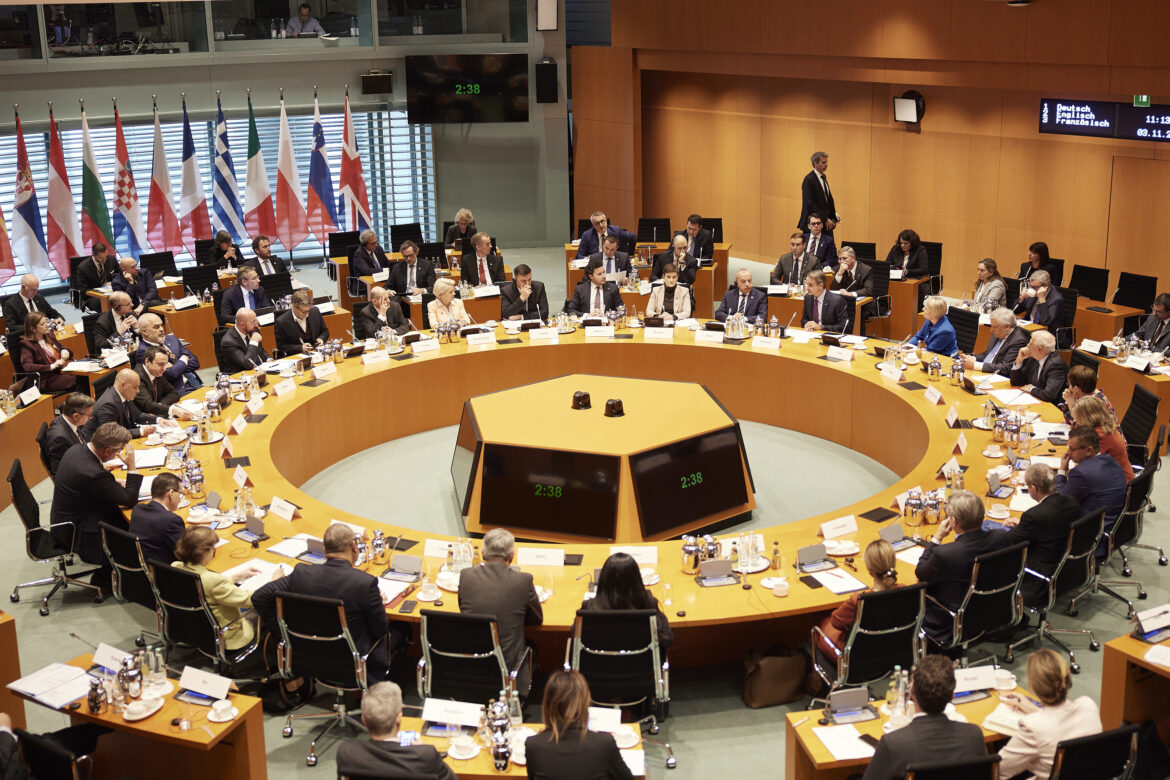
As part of the Berlin Process 2026 in Budva, the Government of Montenegro and ReSPA are honored to host an Official Dinner for high-level representatives from the Western Balkans and the European Union.
The evening will offer an opportunity for informal dialogue, strengthening partnerships, and reaffirming our shared commitment to cooperation and European integration.
Arrival of delegations
Welcome and Opening Remarks
- Milojko Spajić, Prime Minister of Montenegro (tbc)
- Marash Dukaj, Minister of Public Administration of Montenegro
- Ms. Maja Handjiska Trendafilova, ReSPA Director
Keynote Address: Building Administrative Capacity for the Next Stage of EU Enlargement
- Ms. Valentina Superti, Director, Western Balkans, Directorate-General for Enlargement and Eastern Neighbourhood, European Commission
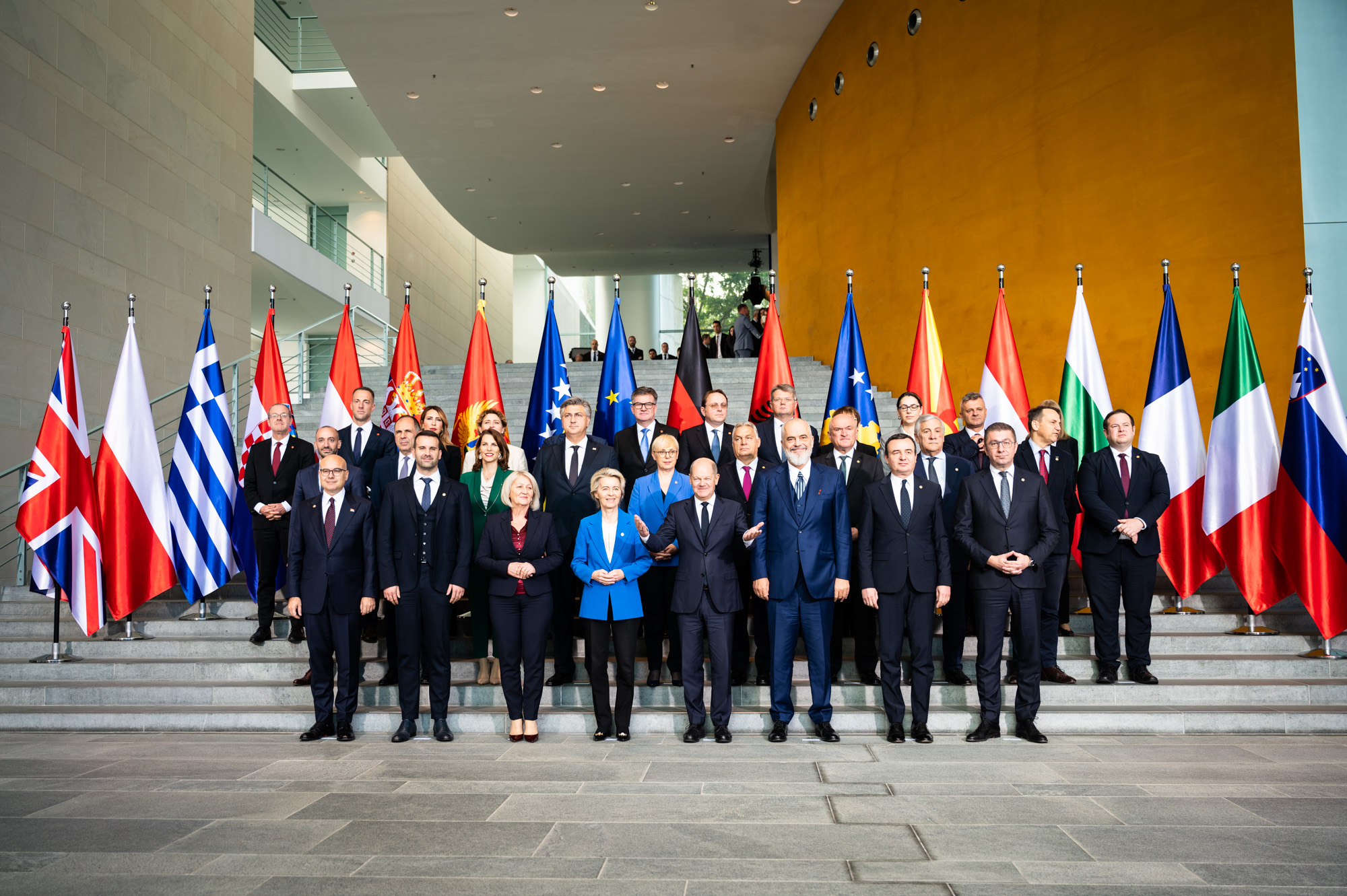
Group Photo, Coffee Break and Interview Corners
Ministerial Discussions:
Empowering Leaders, Attracting Talents for Public Administration in Challenging Times & Civil Service Fit for Europe: Skilled, Digital & Agile The Ministerial Discussion will feature an exchange among Ministers of Public Administration from the Western Balkans and participating EU Member States
Presentation of the Chair's Conclusions
Networking Lunch
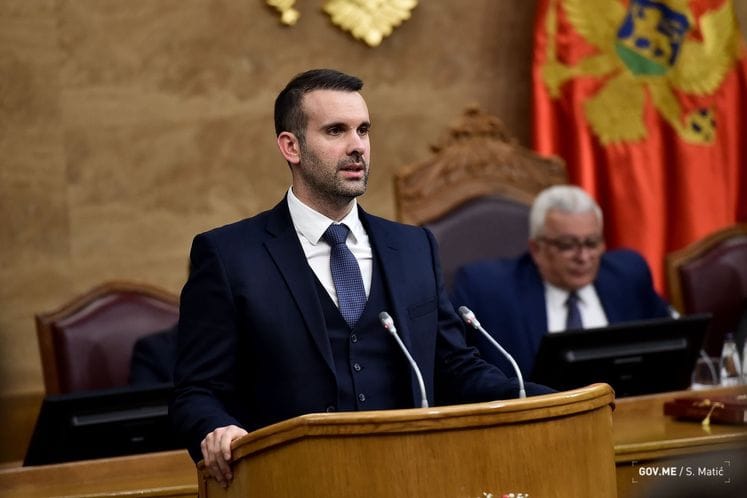
Milojko Spaić
Prime Minister of Montenegro
Milojko Spaić
Prime Minister of Montenegro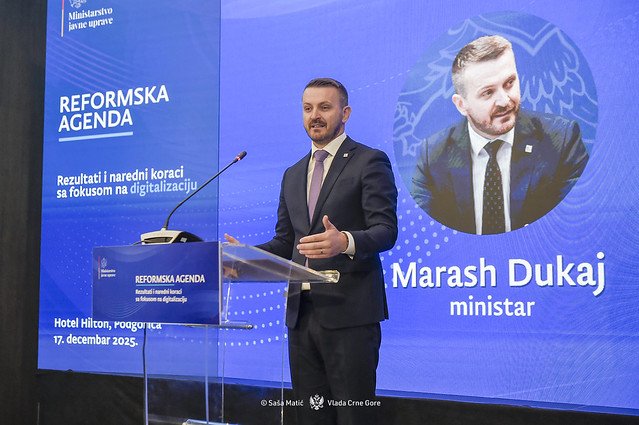
Marash Dukaj
Minister of Public Administration of Montenegro
Marash Dukaj
Minister of Public Administration of Montenegro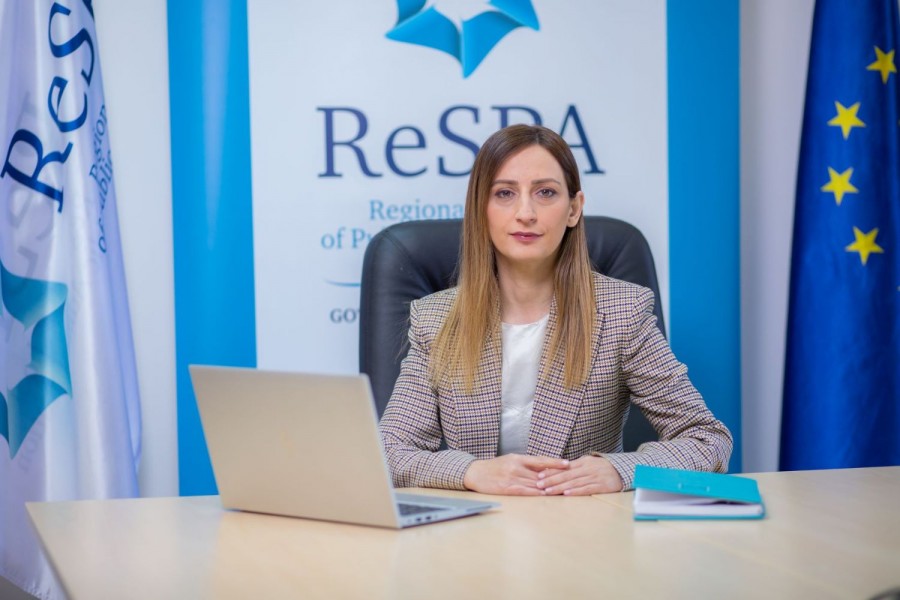
Maja Handjiska Trendafilova
Director of ReSPA
Maja Handjiska Trendafilova
Director of ReSPA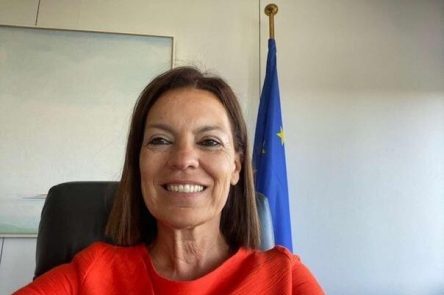
Valentina Superti
Director at European Commission, DG ENEST
Valentina Superti
Director at European Commission, DG ENEST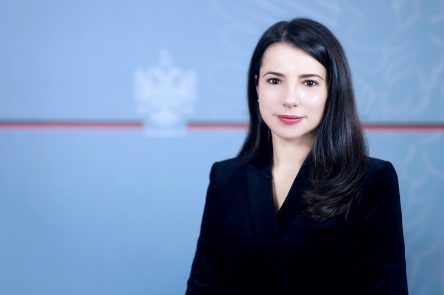
Adea Pirdeni
Minister of State for Public Administration and Anti-Corruption of Albania
Adea Pirdeni
Minister of State for Public Administration and Anti-Corruption of Albania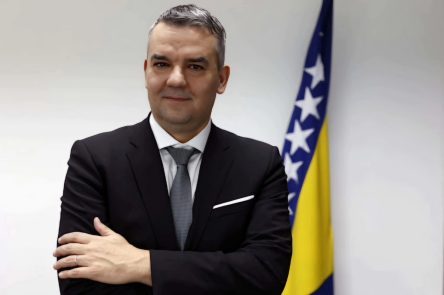
Davor Bunoza
Minister of Justice of Bosnia and Herzegovina
Davor Bunoza
Minister of Justice of Bosnia and Herzegovina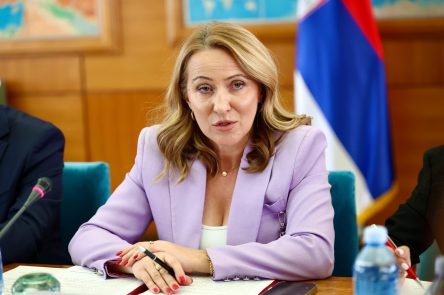
Snežana Paunović
Minister of State Administration and Local Self-Government of Serbia
Snežana Paunović
Minister of State Administration and Local Self-Government of Serbia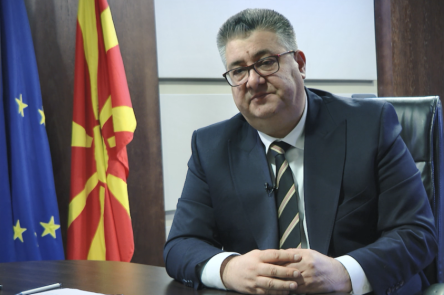
Goran Minchev
Minister of Public Administration of North Macedonia
Goran Minchev
Minister of Public Administration of North Macedonia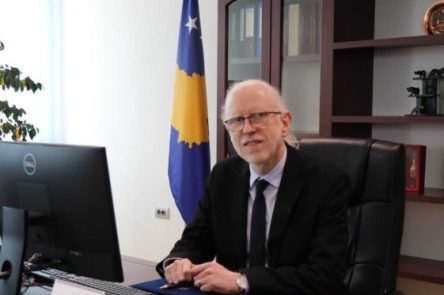
Lulëzon Jagxhiu
Minister of Public Administration and Digitalisation of Kosovo
Lulëzon Jagxhiu
Minister of Public Administration and Digitalisation of Kosovo